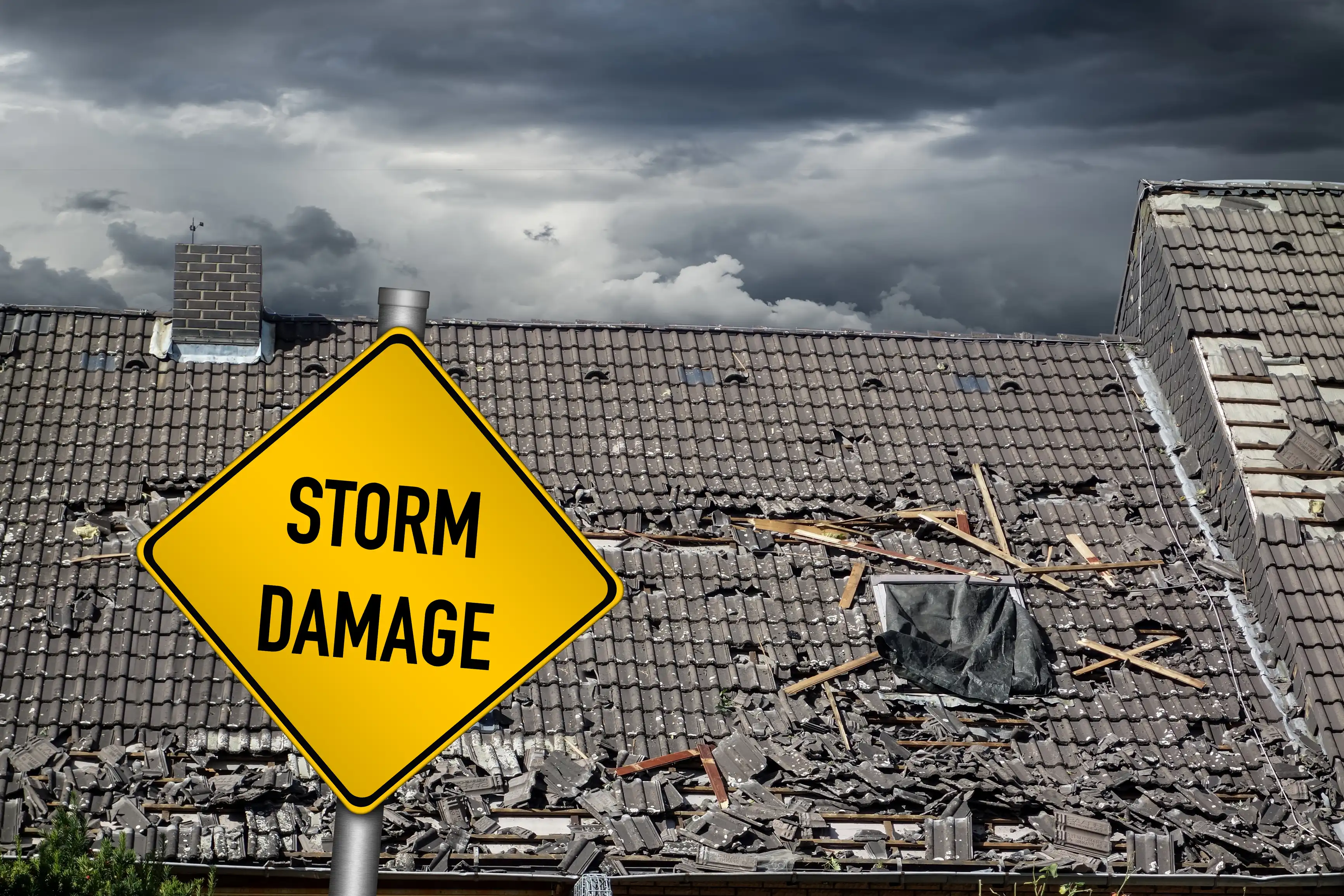
When a major storm sweeps through Frederick County, the aftermath can feel overwhelming. Between roof damage, interior leaks, and the insurance paperwork that follows, many homeowners aren’t sure where to start. The good news: with the right documentation and a trusted roofing partner, you can navigate the insurance process smoothly and protect your investment.
Step 1: Make Safety Your First Priority
Before anything else, ensure that everyone in the home is safe. Avoid entering affected rooms if ceilings are sagging or electrical systems have been compromised. Once it’s safe, document visible damage with photos and video—this evidence becomes essential for your insurance claim.
Step 2: Contact a HAAG-Certified Roofing Inspector
Insurance adjusters expect professional documentation. Summit Roofing & Restoration’s HAAG-certified inspectors understand exactly what insurers look for. We perform a 50-point storm damage assessment that includes:
- Detailed photos of shingle bruising, punctures, and wind uplift
- Measurements of impacted areas broken down by slope
- Inspection of gutters, fascia, flashing, ridge caps, and ventilation
- Interior moisture readings, attic inspection, and structural review
We compile these findings into a digital report that becomes the backbone of your insurance claim.
Step 3: File Your Claim Promptly
Most insurance policies require you to file within a specific timeframe—often 14 to 30 days after the event. When you call your insurer, provide:
- The date and time of the storm
- A high-level description of the damage
- Your contractor’s inspection report
- Temporary repairs you’ve already made to prevent further damage
Request the claim number and adjuster information immediately so communication stays organized.
Step 4: Meet the Adjuster On-Site
Insurance adjusters often have limited roofing experience. Having your roofing contractor present ensures that all damage—including items that might be missed at first glance—is properly documented. We walk the roof with the adjuster, point out storm-related impacts, and compare notes to make sure the scope of work reflects reality.
Step 5: Review the Scope of Loss Carefully
After the adjuster visit, your insurer issues a scope of loss that lists approved repairs and replacement costs. Look for:
- Line items covering every roof plane, ridge, hip, and valley
- Drip edge, flashing, ventilation, and underlayment allowances
- Decking replacement if damages or code requirements warrant it
- Interior repairs, insulation replacement, gutter or siding damage
If anything was missed or underpriced, your contractor can submit a supplement with additional evidence.
Step 6: Approve the Contract and Schedule Work
Once the claim is settled, choose a licensed, insured roofing contractor who specializes in storm restoration. Summit Roofing handles:
- Permit applications with Frederick County or your municipality
- HOA approvals for communities like Spring Ridge, Lake Linganore, and Urbana
- Material selection that matches or upgrades your previous roof
- Manufacturer warranty registration and certificate of completion
Understanding Depreciation and Payment Structure
Insurance companies typically pay in two installments. The first covers actual cash value (ACV) minus your deductible. After the work is completed and invoiced, you receive the depreciation holdback. This is standard practice—your contractor should never ask you to pay the depreciation before you receive it.
Why Summit Roofing & Restoration Is the Preferred Partner
- HAAG-Certified Inspectors: Our reports hold up with every major carrier.
- Master Elite Contractor: Eligible for enhanced warranties other contractors cannot offer.
- Insurance Expertise: We’ve worked thousands of claims with carriers like State Farm, Allstate, USAA, Erie, and Travelers.
- Local Focus: We live and work in Frederick County—no storm-chasing crews here.
If your home has been impacted by hail, wind, or severe weather, call (301) 555-7663 for immediate assistance. We’ll tarp damaged areas, document everything for insurance, and restore your roof to better-than-before condition.